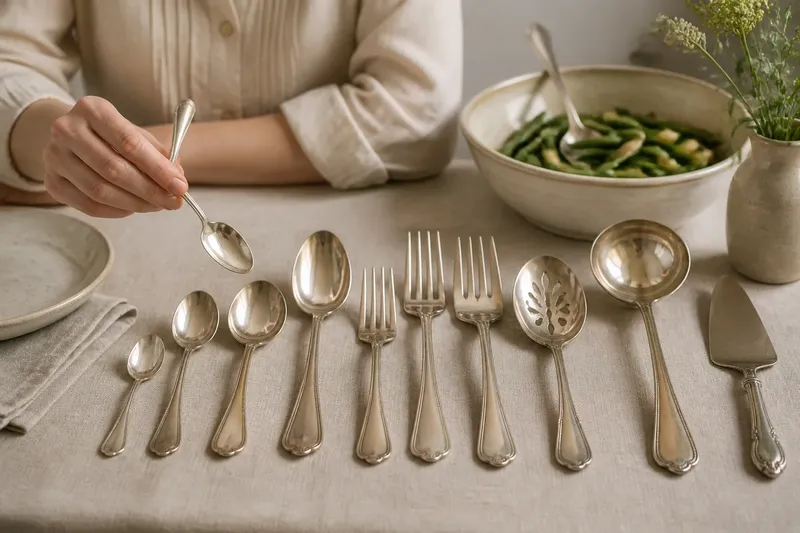
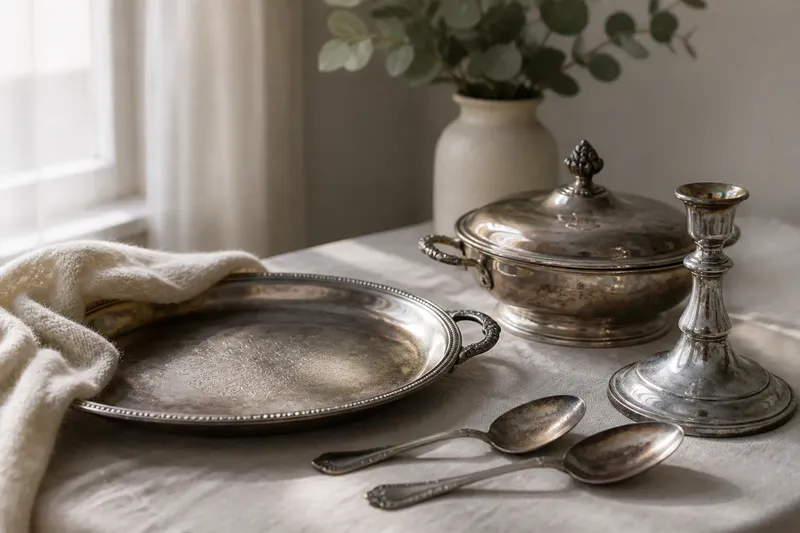
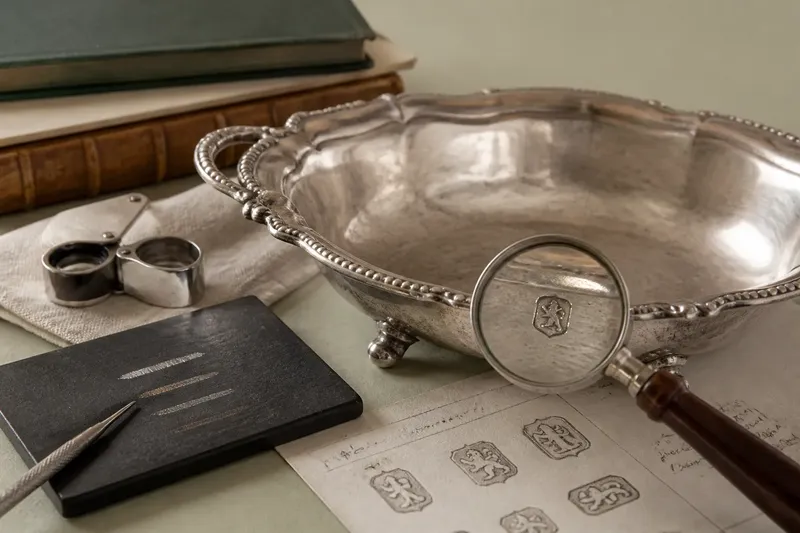
A Quiet Table Setting Built Around One Silver Object
A quiet table setting with one silver object gives seasonal meals a clear focal point, using plain linens and familiar tableware without adding more shine.
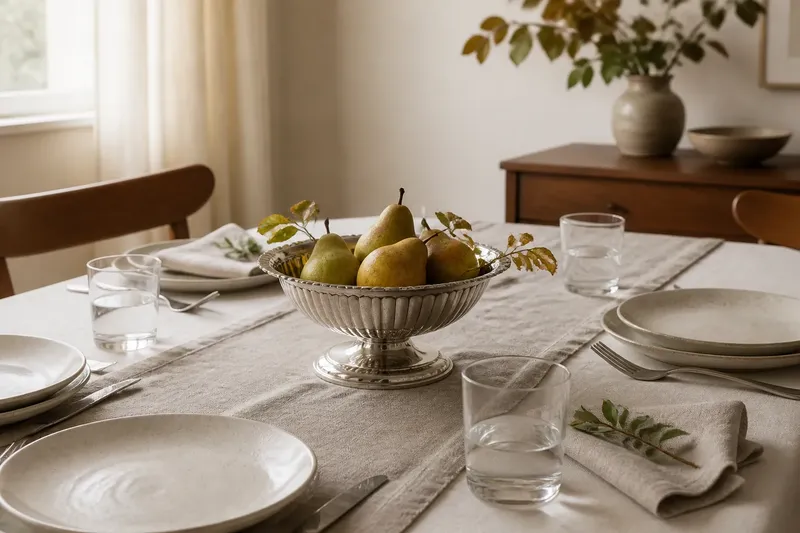
A quiet table setting with one silver object can make a seasonal meal feel considered without turning the table into a display. Choose a single piece—a modest candlestick, a small bowl or a serving dish—and let its shape and use guide the rest of the setting.
The useful idea is restraint with purpose: the silver object should have room to be noticed, while the plates, glassware and cloth do the practical work. You do not need a matching service or a special occasion. A familiar table can feel different simply because one well-chosen object has been given a clear place.
Which silver object should anchor the table?
Start with the meal and the number of diners, then choose a piece that can sit comfortably within that arrangement. A low bowl can hold pears or seasonal leaves; a candlestick can bring a quiet point of light; a serving spoon or small dish can remain useful rather than merely decorative. The object’s role matters more than its size or formality.
Consider the view across the table. A tall candlestick may suit a long table if it does not interrupt conversation, while a low dish is easier to place on a compact table. If the piece is decorative rather than food-safe, use it for flowers or another suitable purpose instead of putting food directly into it. For an object whose care or use is uncertain, follow the maker’s guidance or ask a qualified conservator when its condition warrants expert advice.
One piece is enough to establish the focal point. A second silver item can compete for attention, especially beside cutlery or glass with reflective details. Keep the remaining metal finishes quiet and familiar, such as plain stainless-steel cutlery or simple glassware.
How can the setting change with the season?
Let the season enter through materials and colour rather than a collection of themed ornaments. In a cool season, a natural linen runner, plain cream plates and a bowl of apples can make a silver dish feel grounded. In warmer weather, pale cotton, clear glasses and a few garden stems give a candlestick or small vessel a lighter setting.
Seasonal colour need not be literal. A muted green napkin, a soft ochre cloth or a dark blue runner can pick up a tone already present in the room. Keep the palette limited: one cloth colour, the neutral of the plates and the silver’s own surface are usually enough to make the arrangement coherent.
Think about what the table will be used for. If guests will pass dishes around, leave a clear route through the centre. If the meal is served at the table, place the silver object where it will not obstruct serving bowls. A focal point should help the gathering feel composed, not make ordinary movement awkward.
What should sit beside the silver?
Plain materials give silver definition without adding another reflective layer. Washed linen, cotton, unpatterned stoneware and clear drinking glasses work well because their surfaces are easy to read. They also suit everyday meals, so the silver can feel at home rather than like a prop brought out for display.
Use contrast thoughtfully. A softly textured cloth can make a smooth, bright object stand out; a plain matte plate can balance a more detailed piece. If the silver has an ornate edge, keep nearby patterns restrained. If it is simple and clean-lined, a woven runner or casually folded napkin can add texture without competing with its outline.
- Cloth: choose a plain runner or tablecloth in a tone that sits comfortably with the room.
- Plates: use familiar ceramic or stoneware with little decoration.
- Glassware: keep the shapes simple so the central object remains distinct.
- Napkins: fold them loosely or place them beside the plate rather than adding elaborate folds.
- Flowers or foliage: use a small, low arrangement, or leave it out if the silver object already provides enough interest.
These are choices, not a formula. A coloured plate or patterned napkin can still work if it belongs to the household and does not crowd the focal point. The aim is a table that feels settled, not a perfectly coordinated set.
Where should the focal object go?
Place it where people can notice it without having to work around it. On a rectangular table, the centre is an obvious starting point, but an offset position can be more practical if shared dishes need space. On a small table, placing the object near the middle and keeping the rest of the surface spare may be all that is needed.
Check the view from a seated position. A low bowl can be attractive from every side, while a tall arrangement may block faces or make conversation feel divided. Candles also need suitable clearance from napkins, foliage and sleeves; follow the candle maker’s safety directions and use a stable holder on a level surface.
Imagine you are hosting a relaxed autumn lunch for four and have a small silver bowl. You place it just off-centre with a few pears, then use a plain flax-coloured runner, everyday white plates and clear tumblers. The expected observable result is a visible focal point with enough open space for serving dishes and conversation; if the bowl feels crowded, removing the runner or shifting the fruit dish is a simple adjustment.
How can one silver object feel natural at an ordinary meal?
Give the object a plausible job. A small dish can hold lemons for tea, a bowl can contain fruit, and a serving piece can be brought to the table when the food is ready. A candlestick can be used when the meal suits candlelight, rather than left in place as a permanent ornament. Use food only in a piece intended for that purpose.
Scale also affects whether the object feels at ease. A substantial piece may dominate a small everyday table, while a little bowl can disappear among large serving dishes. Compare its outline with the plates and the available space, then choose the arrangement that leaves diners room to set down a glass and reach shared food.
Do not feel obliged to add matching silver. Mixing a single heirloom or collected object with ordinary tableware can make its presence more personal, while avoiding the formality of a full matched service. The familiar pieces provide continuity; the silver marks the meal as thoughtfully arranged.
What do hosts ask about a one-piece silver setting?
Can the silver object be the only decoration?
Yes. A single object can carry the visual focus, especially when the linens and tableware are plain. Leave the surrounding space clear rather than filling it to make the setting feel complete.
Does the silver have to match the cutlery?
No. A single silver piece can sit comfortably beside stainless-steel cutlery and everyday plates. Repeating a finish is less important than keeping the overall arrangement calm and usable.
What if the object is too small to notice?
Give it a simple, contrasting background, such as a plain cloth or an uncluttered place at the centre of the table. You can also group it with a small amount of seasonal fruit or foliage, provided the addition does not obscure its shape.
Can I use this idea for a casual meal?
Yes. Use the same familiar plates and glasses you would normally serve, and choose an object suited to the food or the occasion. A modest focal point can make a weekday supper feel cared for without changing how guests eat.
How should the setting be adjusted before guests arrive?
Set the table with the intended meal in mind, then remove anything that has no clear purpose. Check that each place has room for a plate, cutlery and glass, and that shared dishes can be reached without moving the focal object. If flowers or foliage shed petals or leaves, choose a tidier arrangement or omit them.
Take a final look from the entrance and from a seated position. The silver should read as one distinct note, not as the start of a cluster of shiny objects. If the table feels busy, take away an extra ornament, patterned cloth or unnecessary serving piece before adding anything else.
A quiet table setting with one silver object works best when the piece belongs to the meal as well as the room. Choose something useful or personally meaningful, give it clear space, and let plain linens and familiar tableware carry the rest. That balance leaves the table welcoming, with the silver present but never demanding attention.